






How to Prepare Shrimp
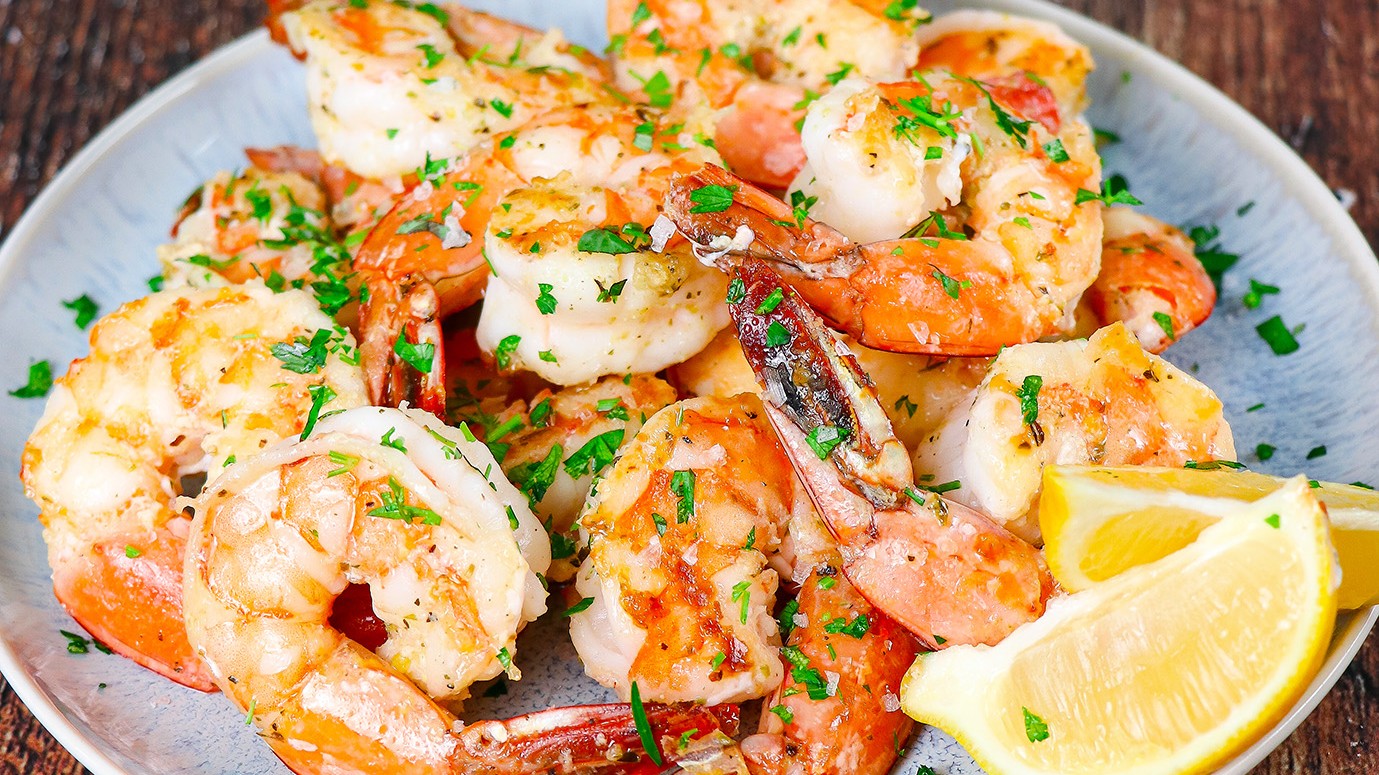
How to Prepare Shrimp
Sizzlefish Support
Rated 3.5 stars by 4 users
Category
Shrimp Recipe
Cuisine
American
Servings
2
Prep Time
5 minutes
Cook Time
5 minutes
Calories
149
How to Prepare Shrimp
Shrimp is one of the most versatile and quick-cooking seafood options available, and a favorite among both amateur and professional cooks. Shrimp have a sweet taste and a tender texture that make them a great candidate for several dishes, from rich pasta dishes and colorful stir-fries to salads, tacos, and seafood bowls. Shrimp cook very fast, and they can be ready in a few minutes, making them a great candidate for a quick meal on a busy night or a weeknight dinner. It's important to learn how to properly cook shrimp so that they cook evenly and retain their texture, taste, and natural sweetness.
Cooking shrimp at home can seem daunting at first, especially if you're using raw shrimp that need cleaning, peeling, or deveining. One of the most common concerns for people who cook shrimp at home is deveining the shrimp or cooking it too long. However, once you understand the basic steps involved in cooking shrimp, it's not only easy but also straightforward. A few preparation steps involved include cleaning, deveining, and drying the shrimp. These basic steps can greatly enhance the final result. After taking just a few minutes of preparation time, the shrimp can be ready in less than 20 minutes, making it both convenient and impressive for a home-cooked dish.
If you are interested in cooking seafood regularly, shrimp is an excellent place to start, as it is one of the most versatile foods that can be cooked within a short amount of time, while also being flavorful on its own. This makes it easy to combine with numerous other ingredients, herbs, and spices. Shrimp can be easily adapted to fit into numerous different styles of cuisine, ranging from Asian-style stir-fries and curries, Mediterranean-style pasta dishes, and Latin-inspired tacos. By following some of the basic techniques, you can turn even the most basic of dishes into something impressive, both in terms of taste and presentation.
Why Proper Shrimp Preparation Matters
Proper preparation of shrimp is vital in attaining the best flavor, texture, and cooking results in a dish. Shrimp is a delicate food that cooks in a matter of minutes, thus requiring a few extra steps before cooking to attain the best results. Cleaning the shrimp involves the removal of the digestive tract and any grit from the shrimp. Although the vein of the shrimp is edible, removing it helps attain the best presentation and texture, especially when the shrimp is the main ingredient in the dish.
Another important consideration for preparing shrimp is to make sure that it is completely thawed and dry before cooking. Excess moisture on the surface of the shrimp can lead to steaming instead of searing, thus affecting the texture and flavor of the shrimp. Drying the shrimp with a paper towel before cooking is vital for developing a good crust and helps seasonings stick more easily. In dishes where the shrimp is showcased, this specific step allows the shrimp's natural sweetness and delicate flavor to shine.
Proper preparation can also help avoid overcooking, which is one of the most common mistakes made when working with shrimp. Shrimp can become opaque and firm after a few minutes of cooking, and overcooking can make them rubbery. By taking the time to properly clean, thaw, and dry shrimp, you can set yourself up for success, ensuring that the seafood stays tender, juicy, and full of flavor, regardless of where it is used.
Try This Recipe with Sizzlefish Wild Gulf Shrimp
The quality of the shrimp used in this recipe is one of the factors that greatly contribute to the final taste and texture. The fresh quality of the shrimp should have a firm texture, a mild ocean smell, and should also be translucent in appearance before it is cooked. Cooked shrimp should be opaque, light pink in color, tender, and juicy in nature. Starting with good shrimp makes preparation easier and ensures the finished dish has a clean, naturally sweet flavor, whether it is sautéed, grilled, or added to soups and pasta dishes.
For home cooks looking for consistently excellent quality seafood, Sizzlefish Wild Gulf Shrimp is an excellent option to consider. These shrimp are wild-caught in the Gulf of Mexico and flash frozen immediately after catching to lock in freshness and flavor. This ensures that the shrimp's texture and sweet taste remain, an option that home cooks can rely on to prepare different dishes. Since the shrimp are already cleaned and processed correctly, home cooks can save time on preparation and spend more time cooking the dish.
Using high-quality shrimp is especially important because shrimp cook fast, in just a few minutes. If the shrimp is of good quality, the cooking technique should also be simple to bring out its natural flavor. Quick shrimp dishes can be prepared in many ways, like sautéed shrimp, skewers, stir-fries, and shrimp bowls, making for a satisfying meal every time.
Nutrition Benefits of Shrimp
Not only is shrimp a food that tastes great, but it is also nutrient-rich, which can be a great addition to a variety of different meals. Shrimp is a high-protein food that is also low in calories and fat, making it a great option for anyone looking for a great-tasting meal without having to worry about consuming too many calories. Lean protein in shrimp can help you feel full and energized, a great ingredient for weeknight dinners or more elaborate recipes. Shrimp's low-calorie content can be a great addition to a well-rounded meal and a balanced diet.
Besides protein, shrimp is a good source of vitamins and minerals that support a healthy diet. It's a good source of selenium, vitamin B12, and iodine, important for metabolism, brain function, and thyroid health. Shrimp is also a good source of omega-3 fatty acids, which are important for heart health and for reducing inflammation. When you combine shrimp with vegetables, noodles, or rice, you can create a complete meal.
Shrimp is a food that can be easily incorporated into a healthy meal. It is ready in a few minutes and can be combined with a wide variety of ingredients. Whether you are in the mood for a light meal or a hearty meal, you can use shrimp to create a meal that is full of flavor. With its nutritional value and versatility, shrimp is a great choice for a healthy, satisfying, and flavorful seafood dish.
Shrimp Serving Suggestions
One of the best things about working with shrimp is that it is incredibly versatile in the kitchen. Once the shrimp is properly cleaned and prepared, it can be used in several different recipes and dishes. Shrimp pairs well with lots of ingredients and tastes, making it suitable for many dishes, both simple and complex.
Some popular ways that prepared shrimp can be served include:
- Tossing the shrimp into a pasta dish with garlic and olive oil
- Adding shrimp to a stir-fry with fresh vegetables
- Serving the shrimp in tacos with lime and fresh herbs
- Using shrimp in a salad for a light and refreshing meal
- Mixing shrimp into a soup or stew with other seafood
Storing and Reheating Shrimp
Storing
- Store in an airtight container in the refrigerator.
- Cooked shrimp should be consumed within 2-3 days.
- Raw shrimp should be cooked within 1-2 days after thawing.
If storing raw shrimp for long periods of time, keep them frozen until you're ready to use them.
Reheating
- Reheat shrimp over low heat on the stovetop.
- Warm until they're heated through to prevent overcooking.
- If they're reheated in a soup or sauce, they should be added towards the end of reheating.
Microwaving the shrimp isn't recommended, as they can easily overcook, affecting the texture of the shrimp.
FAQs for Preparing Shrimp
Q: How do I know when the shrimp are cooked?
A: Shrimp are done when they turn pink and opaque, and a slight “C” shape is formed. Shrimp that are overcooked will curl into a tight “O” shape and be rubbery in texture.
Q: Can I cook the shrimp frozen?
A: Shrimp can be cooked from frozen, although it is recommended that the shrimp be thawed first for even cooking.
Q: What is the best way to thaw frozen shrimp?
A: The safest way to thaw frozen shrimp is in the refrigerator overnight. Shrimp can be thawed more quickly under cold running water for several minutes.
Common Mistakes to Avoid When Preparing Shrimp
1. Not Thawing Shrimp Properly
Mistake:
- If you cook shrimp while it is still partially frozen, it may not cook properly.
How to avoid it:
- You should thaw it properly in the fridge or under cold water before you cook it.
2. Overcooking the Shrimp
Mistake:
- Since shrimp cook quickly, they may become tough if you overcook them.
How to avoid it:
- You should only cook them for 2-4 minutes, depending on how big they are.
- Remove them from the heat as soon as they change to pink and opaque.
3. Skipping the Drying Step
Mistake:
- If you cook your shrimp while they're wet, they may steam instead of searing.
How to avoid it:
- Dry your shrimp with paper towels before you cook them.
- Drying your shrimp can ensure that they sear well, allowing you to season them effectively.
4. Too Much Seasoning
Mistake:
- You should be careful not to overwhelm your shrimp with seasonings, as this may mask the real taste of the dish.
How to avoid it:
- Use simple seasonings like garlic, lemon, butter, or herbs.
- Let the natural taste of the shrimp shine through.
Pro Tip:
Shrimp should be cooked quickly over medium-high heat, then removed from the pan as soon as they change color and become opaque.
Ingredients
-
2 Portions of Sizzlefish Gulf Shrimp (8 Shrimp per Pack)
-
Sizzlefish Seasoning Mix (Either Fisherman's Catch Blackened Seasoning or Off the Hook Cajun Style Seasoning) or a Seafood Seasoning Mix of your Choice
-
2 Tablespoons of Olive Oil
-
1 Tablespoon Butter
Directions
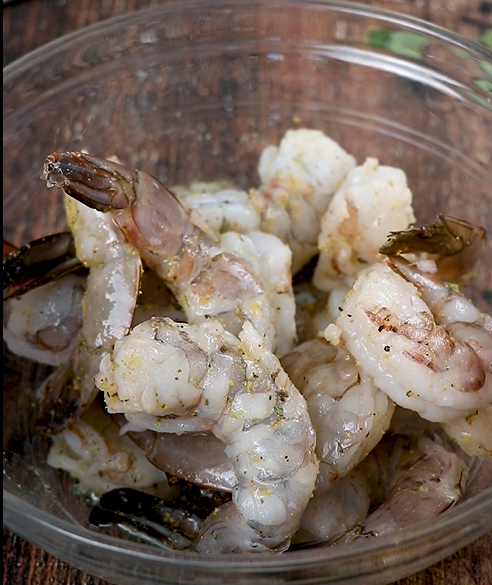
Toss your thawed Sizzlefish shrimp in a seafood seasoning mix.
Add shrimp to a hot skillet with 2 tbsp. olive oil in a single layer to sear for 2-3 minutes on each side.
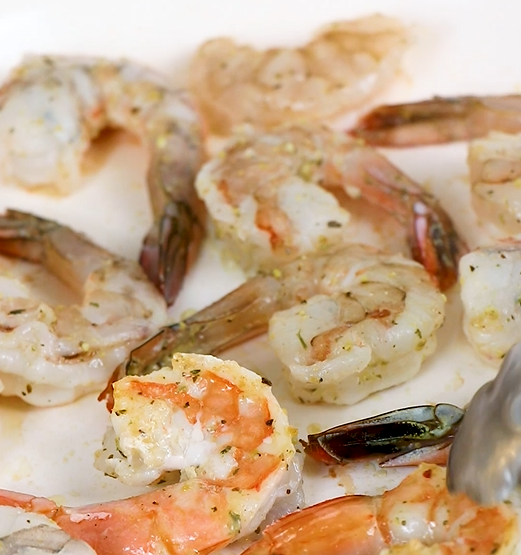
Add 1 tbsp. of butter after flipping.
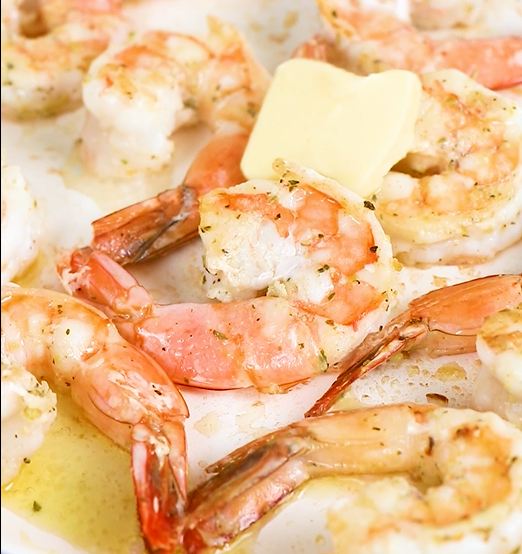
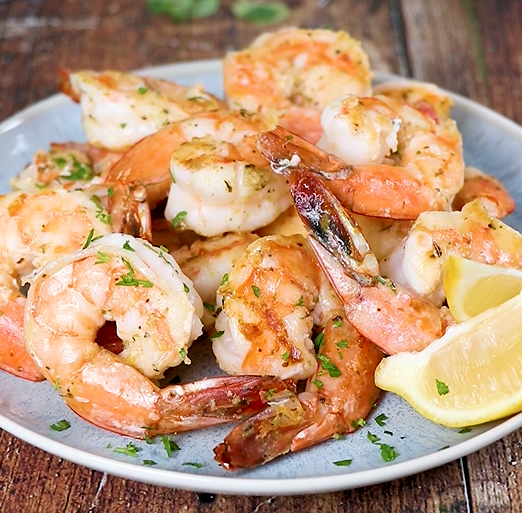
Remove shrimp front heat once they are just cooked through to serve.
Recipe Video
Recipe Note
Use these prepared shrimp in salads, tacos, pastas, or any dish where you want quick, delicious seafood.
Nutrition
Nutrition
- Serving Size
- 1 Serving
- per serving
- Calories
- 149
- Carbs
- grams
- 1%
- Fat
- 3 grams
- 23%
- Protein
- 26 grams
- 75%
